Your Insurance Provider
Your Insurance Provider
**Requested time is not final until you receive confirmation from our office. Please do not submit any Protected Health Information (PHI).

Relieve jaw pain and clenching with Botox for TMJ, and refresh your look with cosmetic treatments, all from the dentist who already knows your smile.



Botox is a purified protein that temporarily relaxes the muscles it's placed in. When it's injected into the masseter, the large chewing muscle at the angle of your jaw, it softens the force of clenching and grinding without affecting your ability to talk, smile, or eat normally. For patients with TMJ disorder (TMD), that means less strain on the jaw joint, fewer tension headaches, and relief for teeth that have been taking a beating. Dr. Daniel has completed the Connecticut Dental Association's certification in both Botox and TMJ relief.
Because we already care for your teeth, bite, and restorations, we can treat TMJ as part of your overall dental health instead of as a separate problem. Think you might have TMJ? Book a consultation with us today.
TMJ doesn't happen in isolation. It affects your teeth, your bite, your gums, and every restoration in your mouth. That's why we treat it as part of your complete dental care rather than sending you to a specialist who only sees one piece of the picture. As your general and cosmetic dentist, Dr. Daniel sees your teeth at every checkup. She can spot early signs of clenching like wear, abfraction, and failing restorations before they become bigger problems. When Botox is the right fit, it works alongside the rest of your care, whether that's a night guard, bite adjustments, or restoring teeth that clenching has already damaged. You get one team, one plan, and a dentist who knows your history.
Aching at the jaw joint, cheeks, or temples often means your muscles worked overtime while you slept, especially if it's worse in the morning. The pain can also spread to your ears, neck, and shoulders.
Most clenching happens during sleep or moments of stress, so you may not know you're doing it. Flattened or worn teeth, a tired jaw on waking, or a partner hearing you grind are common clues.
A click, pop, or grating sound when you open or chew signals that the jaw joint isn't gliding smoothly. Left alone, it can progress to stiffness or a jaw that briefly locks.
Small wedge-shaped notches at the base of your teeth often aren't caused by brushing too hard. Heavy clenching flexes the tooth and breaks away enamel at the gumline, leading to sensitivity and weakened teeth.
If your crowns, fillings, bonding, or veneers keep chipping, cracking, or popping off, the restoration may not be the problem. The cause may be the force behind it. Reducing that force helps protect your dental work and your investment.
TMJ doesn't happen in isolation. It affects your teeth, your bite, your gums, and every restoration in your mouth. That's why we treat it as part of your complete dental care rather than sending you to a specialist who only sees one piece of the picture. As your general and cosmetic dentist, Dr. Daniel sees your teeth at every checkup. She can spot early signs of clenching like wear, abfraction, and failing restorations before they become bigger problems. When Botox is the right fit, it works alongside the rest of your care, whether that's a night guard, bite adjustments, or restoring teeth that clenching has already damaged. You get one team, one plan, and a dentist who knows your history.

Botox relaxes overactive jaw muscles with a few quick injections. There are no incisions and no downtime, and most patients go back to work or their day right after their appointment.
By reducing the force of clenching and grinding, Botox helps prevent further wear, cracks, and abfraction. It also gives crowns, fillings, and veneers a better chance of lasting.
Many patients notice fewer morning headaches and less tension in the jaw, temples, and neck. Some also see a softer, slimmer jawline as an overworked masseter muscle relaxes.
Dr. Daniel examines your teeth, jaw joint, bite, and chewing muscles and talks with you about your symptoms or cosmetic goals. She looks for signs like wear, abfraction, and failing restorations to understand how clenching is affecting your mouth and whether Botox is the right fit.
We map out the injection sites and dosage based on your muscle strength, symptoms, and goals. If other care would help, like a night guard or repairing damaged teeth, we build it into one coordinated plan.
Treatment takes about 15–30 minutes. Using a very fine needle, Dr. Daniel places small amounts of Botox into the targeted muscles. Most patients describe it as a brief pinch, and you can return to your normal routine right away.
You'll start to feel results within a few days, with full effect in about two weeks. We'll check in to see how you're feeling and plan maintenance visits, typically every three to four months, to keep your symptoms under control.

Yes. Botox relaxes the masseter and other chewing muscles that clench and grind, which reduces pressure on the jaw joint. Many patients have less jaw pain, fewer headaches, and less morning soreness. Botox for TMJ is considered an off-label use, so Dr. Daniel will evaluate whether it's appropriate for you.
Most patients notice a difference within three to five days, with full results in about two weeks.
No. Botox reduces the excessive force of clenching but leaves enough strength for normal chewing, speaking, and facial expression. Some patients notice a slightly slimmer jawline as the masseter relaxes.
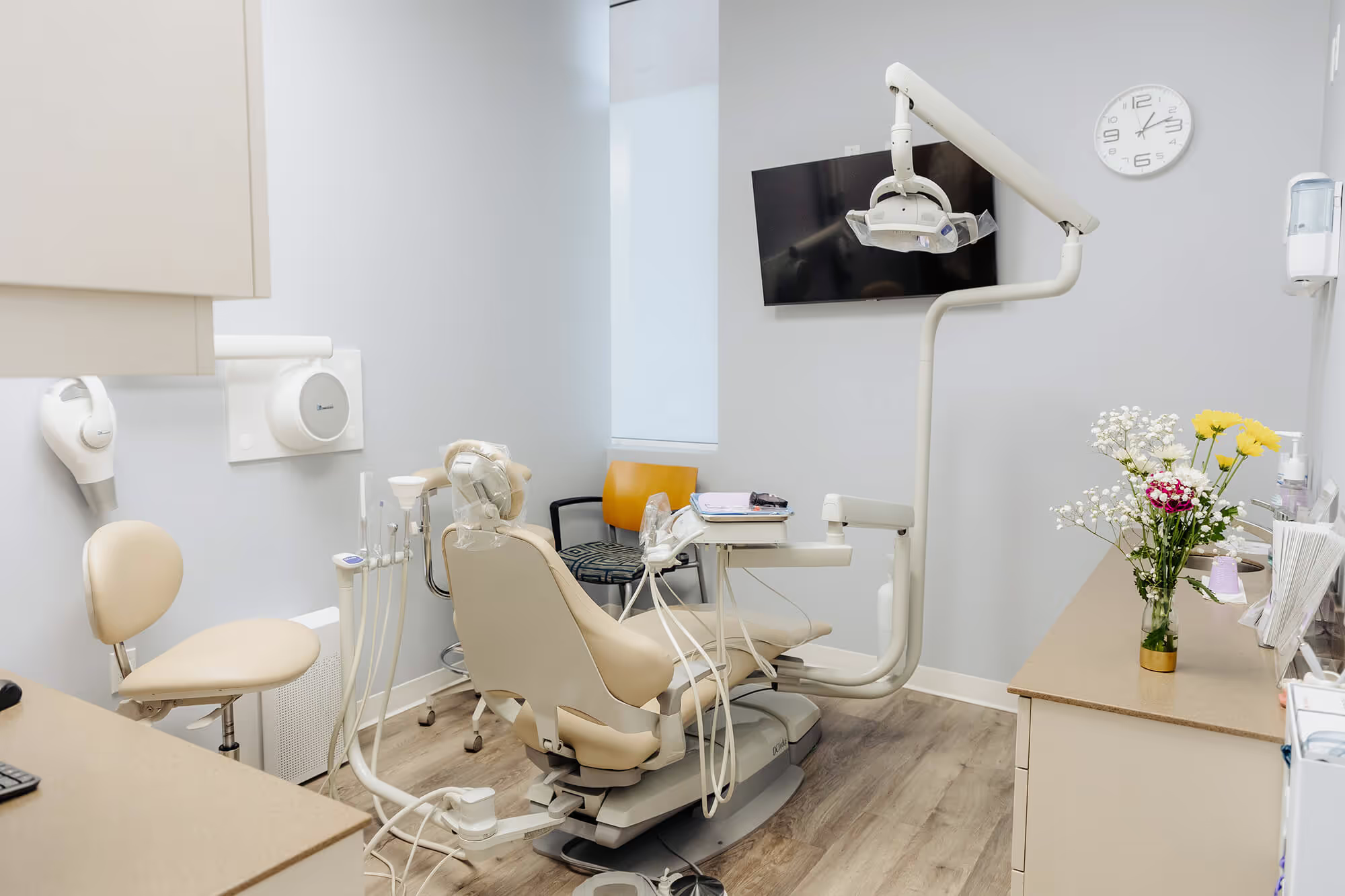
Schedule your visit today and see why so many Norwalk families trust Daniel Dental Studio with their smiles. New patients are always welcome!